Tankless vs Tank Water Heater: Which Is Right for Your Home?
Choosing between a tankless vs tank water heater comes down to upfront cost, how much hot water your household uses, and what your home can support. Neither type wins for every family, and the right pick depends on your budget, your available space, and how long you plan to stay. A licensed plumber can look at your current setup and help you avoid surprises when replacing a hot water heater, which is whereprofessional water heater installation and repair makes a difference. This guide covers:
How tank and tankless water heaters work
Cost, lifespan, and efficiency compared side by side
Five factors that decide which type fits your home
Which type suits which household
Answers to the questions homeowners ask most
How Tank and Tankless Water Heaters Work
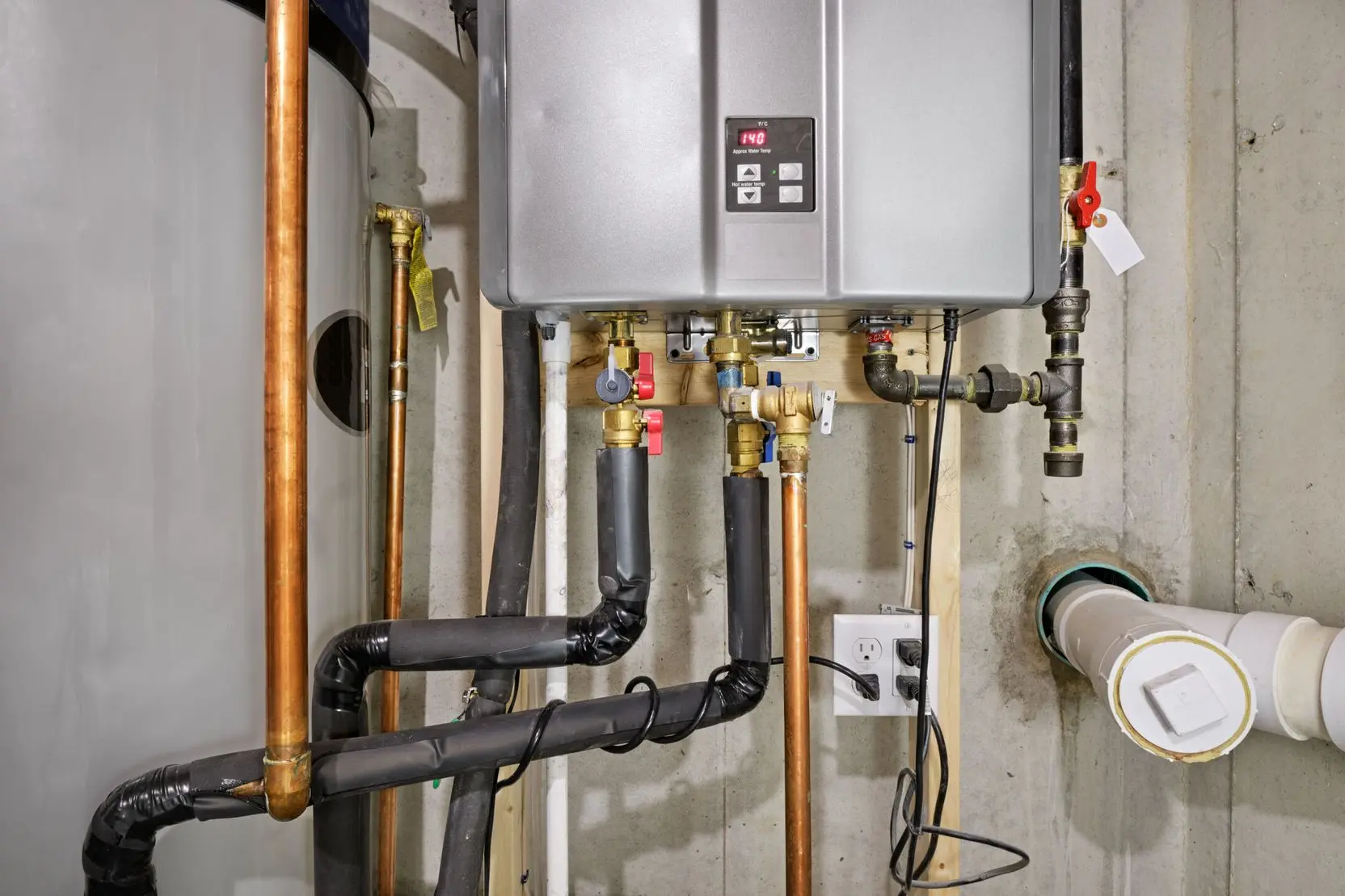
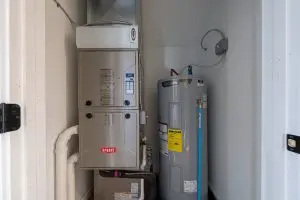
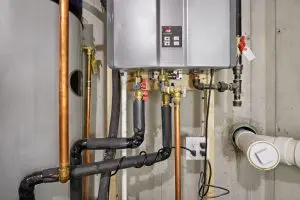
Traditional tank water heaters store a reservoir of hot water and keep it heated around the clock using electric heating elements or a natural gas burner, which means they use energy to hold that temperature even when no one needs hot water. A tankless water heater heats water only when you open a tap, so there is no storage tank and no standby heat loss.
We’re proud to serve home and business owners in Morris, CT, and nearby communities with water heater installation, repair, and more.
Factor
Tank
Tankless
Upfront cost
Lower
Higher
Typical lifespan
10 to 15 years
About 20 years
Hot water supply
Limited by tank size
Continuous, limited by flow rate
Standby heat loss
Yes
No
Footprint
Larger
Compact, often wall mounted
Installation
Usually simpler
May need gas line, venting, or electrical upgrades
5 Factors That Decide Between Tankless and Tank
Every home is a little different. These five factors usually settle the choice.
1. Upfront Cost and Installation Needs
Tankless units cost more to buy and install, and the gap can widen if your home needs upgrades. A like for like tank swap is usually the simplest and least expensive project.
Tank swap: Typically reuses existing connections, which keeps installation straightforward.
Tankless installation: Tankless systems may require a larger natural gas line, new venting, or an electrical upgrade.
Long term view: Lower operating costs and a longer lifespan can offset some of the higher price over time.
2. Hot Water Demand and Flow Rate
A tank can run out when demand is high, while a tankless unit heats continuously but can only heat so much water at once. Matching the unit to your household matters more than the type itself.
Tank limits: A busy household running back to back showers can empty the tank.
Tankless limits: Tankless heaters can only warm so much water at once, so several fixtures running together can exceed a single unit’s flow rate.
Sizing: A plumber can size either type to your household and appliances.
Standby loss: A tank keeps water hot all day, even when no one is using it.
Fuel type: Gas and electric units have different operating costs, so compare your local rates.
Heat pump option: Heat pump water heaters are another efficient choice for homes with electric service.
4. Lifespan and Maintenance
Tankless water heaters generally last about 20 years, while storage tanks typically last 10 to 15. Both types need routine care to reach those numbers.
Tank care: Flushing sediment each year and checking the anode rod helps a tank last longer.
Tankless care: Descaling the heat exchanger keeps the unit efficient, especially if your water is hard.
Warranty check: Compare warranty terms on the tank or heat exchanger before you buy.
5. Space, Safety, and Reliability
Tankless units are compact and wall mounted, which frees up floor space. Gas units of either type need proper venting, and a working carbon monoxide detector is a smart safeguard.
Space: A tankless unit can free up a closet’s worth of room.
Leak risk: With no storage tank, there is no tank failure to flood the area.
Power outages: Gas tankless units typically need an electrical connection and may not run during an outage.
Which Water Heater Fits Which Home?
There is no universal winner, but a few patterns make the decision easier. A quick look at your current setup, your hot water habits, and your plans for the home usually points to the right answer.
A tank tends to fit when: You want the lowest upfront cost, need a simple replacement, or have modest hot water demand.
Tankless tends to fit when: You plan to stay long term, want a longer lifespan, or need to free up space.
Ask for an assessment when: You are switching fuel types or your home may need gas line, venting, or electrical upgrades.
Common Questions About Tankless and Tank Water Heaters
Homeowners in Morris and across Connecticut ask similar questions when it is time to replace a water heater. These answers cover the most common ones.
Is a tankless water heater worth the extra cost?
It can be, especially if you plan to stay in your home for many years. Tankless units cost more upfront, but they last longer and avoid standby heat loss, which can lower operating costs over time. If you may move within a few years or your household uses little hot water, the savings may not offset the higher price. A plumber can help you compare the long term numbers for your home.
Can I replace my tank water heater with a tankless one?
Yes, but the project is usually larger than a like for like swap. Tankless units can need a larger gas line, new venting, or more electrical capacity than your tank did, and the unit often mounts in a different location. A licensed plumber can assess your home, explain what the conversion involves, and give you a written quote before any work begins so there are no surprises. Keeping the same type of unit is usually the least expensive route if you want to avoid extra work.
Do tankless water heaters really provide unlimited hot water?
They provide a continuous supply because they heat water as it flows, so you will not run out the way you can with a tank. However, each unit can only heat a limited amount of water at once. If several showers and appliances run at the same time, a single unit may struggle to keep up, which is why proper sizing matters so much. A plumber can match the unit to the number of fixtures and appliances in your home so everyone has hot water when they need it.
Which lasts longer, tankless or tank?
Tankless water heaters generally last longer, about 20 years compared with 10 to 15 years for most storage tanks. Maintenance makes a real difference for both types. Flushing a tank each year and descaling a tankless unit helps either one reach its full lifespan, and a yearly inspection by a licensed plumber can catch small problems before they turn into failures. That routine care protects your investment and helps you avoid the cost and stress of an unexpected breakdown.
Find the Right Fit With Macary’s Plumbing
The best hot water heater is the one that fits your household’s hot water use, your budget, and your home’s setup. Macary’s Plumbing helps Morris homeowners compare tank and tankless options, installs units to Connecticut’s compliance standards, and guarantees the final price will not exceed your quote. Every job comes with a dedicated account manager and a follow-up after the work is done.Request your upfront quote and get a clear recommendation for your home.