How Long Does a Water Heater Last? Lifespan Signs and Replacement
Most homeowners eventually ask how long does a water heater last, and the honest answer depends on the type of unit, the quality of the installation, and how well it has been maintained. Knowing the warning signs early lets you replace a failing unit on your schedule instead of dealing with a cold shower. If you would rather have an expert take a look, our team offersprofessional water heater repair and can tell you whether your unit has good years left. This guide covers:
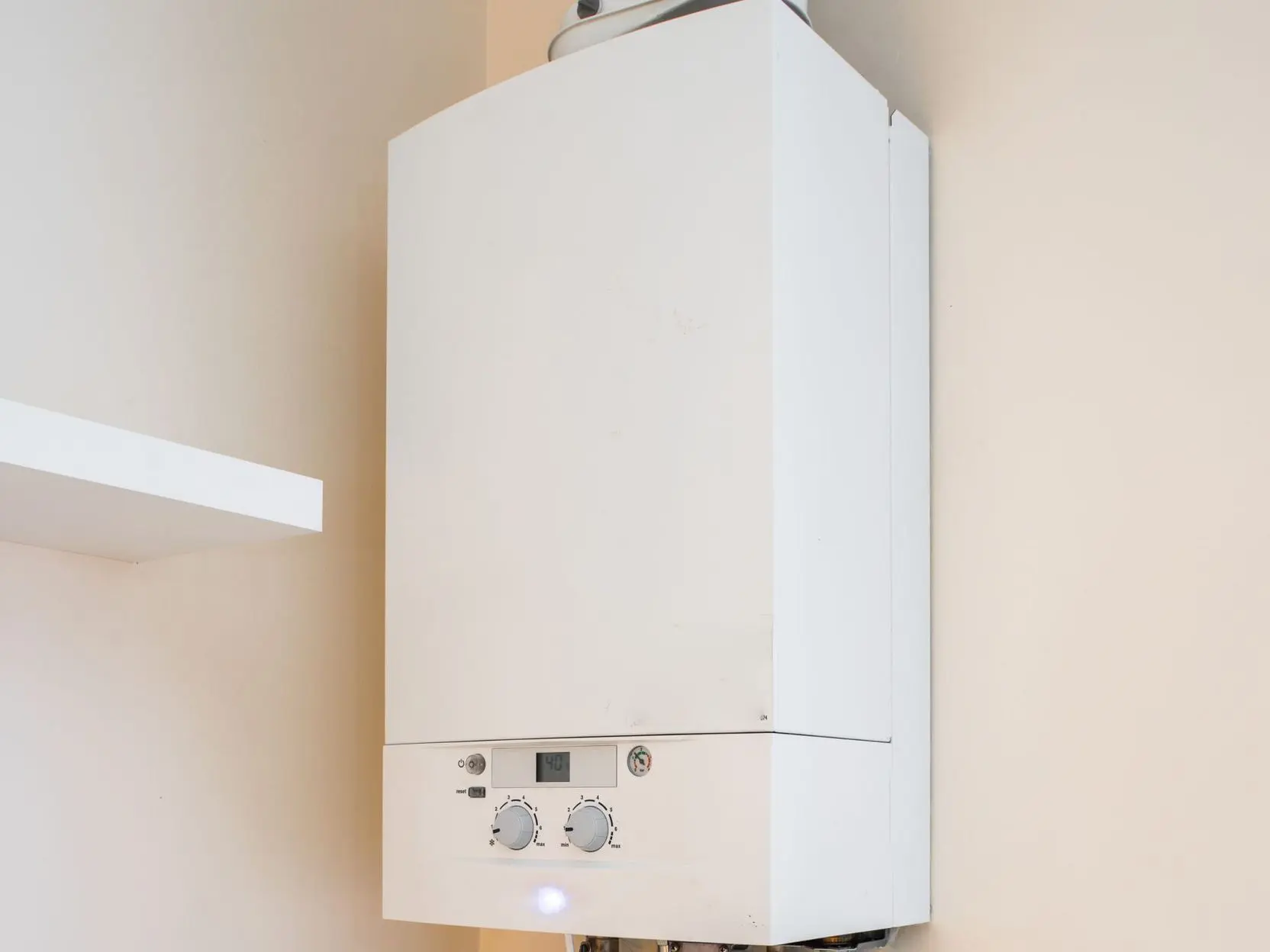
The typical lifespan of tank and tankless water heaters
Eight warning signs that a unit is nearing the end of its life
How to decide between repair and replacement
Maintenance habits that help a water heater last longer
We’re proud to serve home and business owners in Plymouth, CT, and nearby communities with water heater repair, replacement, and more, and we see units at every stage of life.
Water Heater Type
Typical Lifespan
Key Consideration
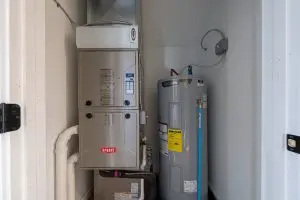
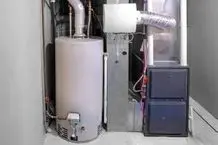
Storage tank
10 to 15 years
Lower upfront cost, but sediment and corrosion limit lifespan
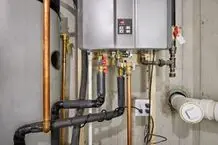
Tankless
About 20 years
Higher upfront cost, replaceable parts extend service life
Heat pump
10 to 15 years
Very efficient, needs adequate space and airflow
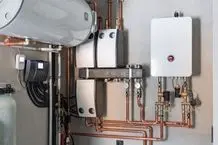
Indirect
About 10 years
Works with an existing boiler or furnace
8 Signs Your Water Heater Is Nearing the End of Its Life
Most water heaters give warning before they fail completely. Catching these signs early gives you time to plan a water heater replacement on your terms.
1. Your Unit Is Past 10 Years Old
Age is the most reliable indicator of trouble. A tank unit past the decade mark is living on borrowed time even if it still seems to work.
Check the label: The data plate often includes a serial number that reveals the manufacture date.
Plan ahead: Start comparing models before the old one fails.
2. Hot Water Runs Out Faster Than It Used To
Sediment buildup in a storage tank takes up space and reduces efficiency over time. The result is less usable hot water from the same size tank.
Shorter showers: Hot water fades sooner than it did a year ago.
Slow recovery: The tank takes longer to reheat between uses.
3. Rumbling, Popping, or Banging Noises
Sediment hardens at the bottom of the tank and traps water beneath it. As that water heats, it creates unusual noises.
Popping sounds: Trapped water bursts upward through hardened sediment.
Extra strain: The unit works harder, which speeds up wear on the tank.
4. Rusty or Discolored Hot Water
Rust colored water from the hot taps only points to corrosion inside the tank. Once the tank lining breaks down, the problem will not reverse.
Hot water only: If the cold water runs clear, the water heater is the likely source.
Metallic taste or smell: These often accompany internal corrosion.
5. Moisture or Leaks Around the Base
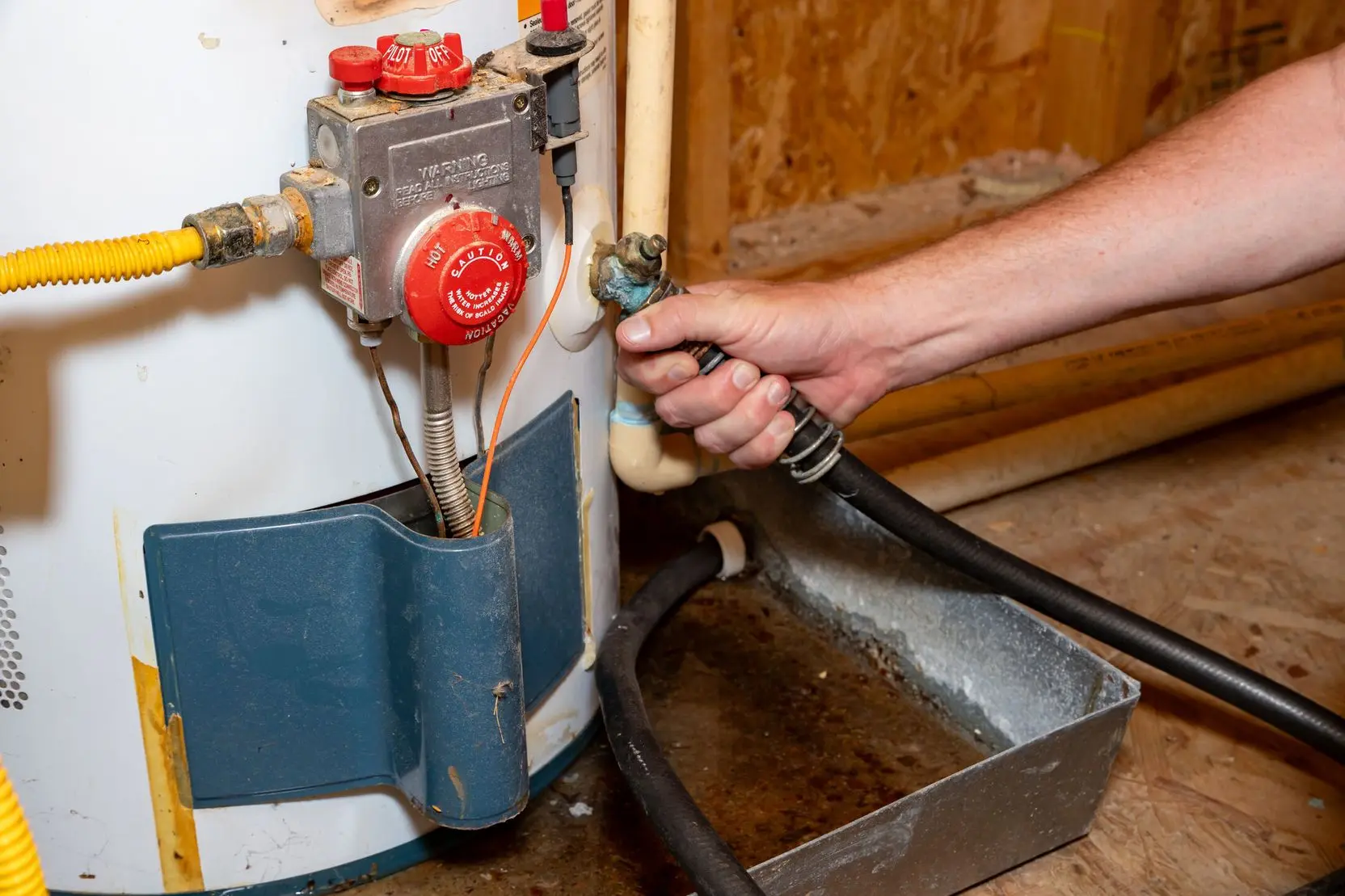
Water pooling around the base usually means the tank itself has developed a leak, which typically cannot be repaired. Fittings and valves can also leak, so have a plumber confirm the source.
Shut it down: Turn off the water supply and the power or gas, then call a licensed plumber.
Look at connections: Loose fittings or a relief valve can sometimes be the culprit.
6. Repairs Are Becoming Frequent
When service calls start happening every few months, you are paying to prolong the inevitable.
Repeated part failures: Thermostats, heating elements, and valves failing one after another.
Rising repair costs: The total begins to approach the price of a new unit.
7. Energy Bills Are Creeping Up
A water heater that is losing efficiency uses more energy to deliver the same hot water.
Standby losses: Older tanks lose more heat through the walls.
Longer run times: Sediment forces the unit to run longer to reach temperature.
8. Water Temperature Is Inconsistent
Water that swings between scalding and lukewarm suggests a failing component or a unit that can no longer keep up.
Heating element or thermostat issues: Either can cause uneven heating.
Worn or undersized unit: An aging heater may no longer match your household’s hot water needs.
Repair or Replace? How to Decide
Not every problem means a new unit. A useful rule of thumb is to weigh the age of the heater against the cost and likelihood of future repairs, and a written estimate for both options takes the guesswork out.
Repair makes sense when: The unit is relatively young and the issue is a single failed part such as a thermostat or heating element.
Replacement makes sense when: The tank is leaking, the unit is past 10 to 12 years old, or repairs keep stacking up.
Consider tankless when: You want a longer service life and lower standby losses and can accommodate the higher upfront cost.
Common Questions About Water Heater Lifespan
Homeowners in Plymouth and across Connecticut ask similar questions as their water heaters age. These answers cover the most common ones.
Can a water heater really last 20 years?
Tankless water heaters can reach 20 years or more with regular maintenance, and their replaceable parts help extend service life. A storage tank unit occasionally reaches that age, but most tanks wear out sooner as sediment and corrosion take their toll. If your tank is approaching 15 years, it is smart to start planning rather than counting on a bonus decade, especially if you have already noticed any of the warning signs above.
How do I make my water heater last longer?
Annual maintenance makes the biggest difference. Flushing sediment from the tank helps the unit run efficiently, and inspecting the anode rod lets a technician replace it before the tank itself begins to corrode. It also helps to test the pressure relief valve and keep the thermostat at a moderate setting. A yearly inspection by a licensed plumber catches small issues before they become failures and gives you a clear picture of how much life the unit has left.
Is it worth replacing a water heater before it fails?
In most cases, yes. A planned replacement lets you compare tank and tankless options, choose a time that works for your household, and avoid the water damage that can follow a sudden tank failure. Waiting for a complete breakdown often means rushed decisions and limited choices. If your unit is past 10 years and showing signs of wear, an assessment is worth scheduling before the next cold snap puts extra demand on it.
How do I find out how old my water heater is?
Look for the data plate on the side of the tank, which lists the serial number and model information. Many manufacturers encode the production month and year within the serial number, and their websites usually explain how to read it. If the label is hard to decode or has worn off, a plumber can identify the age and overall condition of the unit during a quick inspection, and can tell you how much service life is realistically left.
Know Where Your Water Heater Stands With Macary’s Plumbing
A water heater rarely fails at a convenient time, which is why knowing its age and condition is so valuable. Macary’s Plumbing helps Plymouth homeowners decide whether to repair or replace with honest assessments, upfront pricing, and licensed technicians who handle both tank and tankless units. Every job comes with a dedicated account manager and a follow-up after the work is done.Request your free estimate and find out how many good years your water heater has left.