When to Call a Plumber: 10 Problems You Should Never DIY
There’s a real difference between tightening a loose faucet handle and attempting to reroute a supply line, and knowing where that line is can save you thousands of dollars in repairs. Understanding when to call a plumber is one of the most practical things a homeowner can do, because the wrong DIY attempt at the wrong time can turn a manageable fix into a serious and expensive problem. Whether you want toexplore the full range of professional plumbing services available or you’re trying to decide whether your current situation warrants a call, this guide walks through exactly which problems should always go to a licensed plumber. This blog covers:
Why some plumbing problems are too risky to DIY
The 10 plumbing situations that always require a professional
What can go wrong when licensed work is skipped
A comparison of DIY versus professional plumbing scenarios
Frequently asked questions homeowners ask most
How Macary’s Plumbing serves Connecticut homeowners
Why DIY Plumbing Can Cost You More Than a Service Call
The appeal of DIY plumbing is understandable. It feels like a way to save money and maintain control over your own home. In reality, the situations where DIY plumbing saves money are relatively narrow, and the situations where it creates additional damage are far more common than most homeowners expect.
We’re proud to serve home and business owners in Watertown, CT, and nearby communities with professional plumbing services and more. Connecticut’s older housing stock, hard winters, and aging pipe infrastructure mean that many homes in the area are dealing with plumbing systems that require professional knowledge and proper tools to service safely and correctly.
According to the Insurance Information Institute,the average property damage claim due to water damage reaches $11,098, making it one of the most costly types of home insurance claims. A failed DIY repair that causes a leak or flood can push costs well beyond what a licensed plumber would have charged in the first place.
10 Plumbing Problems You Should Never DIY
The list below covers the situations wherehomeowners consistently run into trouble by attempting repairs without the proper training, tools, or licensing. Each situation is one where a licensed plumber is not just the better choice but the necessary one.
1. Burst or Leaking Pipes Inside Walls
A pipe that bursts or leaks inside a wall is not a job that can be handled with a patch kit and some duct tape. Accessing the pipe requires opening the wall, identifying the full extent of the damage, making the correct repair, and restoring the wall afterward.
Why pros are needed: Improper repairs on pressurized supply lines can fail immediately or gradually, creating hidden leaks that cause mold and structural damage over time.
What can go wrong: Incorrect fittings, incompatible pipe materials, or insufficient sealing can result in a second failure that costs significantly more than the original repair.
Code considerations: Pipe repairs inside walls often require permits and must meet Connecticut plumbing code, which a licensed plumber knows and follows.
2. Water Heater Installation or Replacement
Replacing a water heater involves disconnecting and reconnecting gas or electrical lines, handling pressurized water connections, installing a pressure relief valve correctly, and disposing of the old unit. Each of these steps has real safety implications.
Why pros are needed: Gas line connections done incorrectly create fire and carbon monoxide risks. Electrical connections on electric water heaters require proper grounding and breaker sizing.
What can go wrong: An improperly installed pressure relief valve can fail to function during a pressure event, creating a dangerous situation inside the home.
Code considerations: Water heater installation in Connecticut typically requires a permit and inspection to verify it meets state plumbing and building codes.
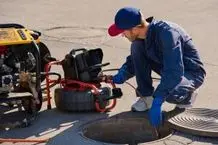
3. Main Sewer Line Blockages
A blockage in the main sewer line affects every drain in the home and can escalate into a full sewage backup if not cleared properly. This is not a job for a store-bought snake or chemical drain cleaner.
Why pros are needed: Main line blockages often require camera inspection to identify the cause, whether root intrusion, pipe damage, or accumulated buildup, before choosing the correct clearing method.
What can go wrong: A snake that reaches a partial blockage without clearing the full pipe diameter creates a temporary fix that fails again quickly. Root intrusion or pipe damage left undiagnosed continues to worsen.
Code considerations: Sewer line work that involves cutting into the line or accessing the cleanout may require permits depending on the scope of the repair.
4. Gas Line Work Near Plumbing Fixtures
Any work involving a gas line connected to a water heater, boiler, or kitchen appliance is strictly for licensed professionals. Gas line leaks are not just expensive to repair, they are potentially fatal.
Why pros are needed: Gas line connections require specific tools, sealants, and testing procedures to verify there are no leaks before the line is put back into service.
What can go wrong: An improperly connected gas fitting can leak slowly and go undetected until there is enough accumulation of gas to create an explosion or carbon monoxide hazard.
Code considerations: Gas line work in Connecticut requires a licensed plumber or gas fitter and must be inspected before the system is returned to service.
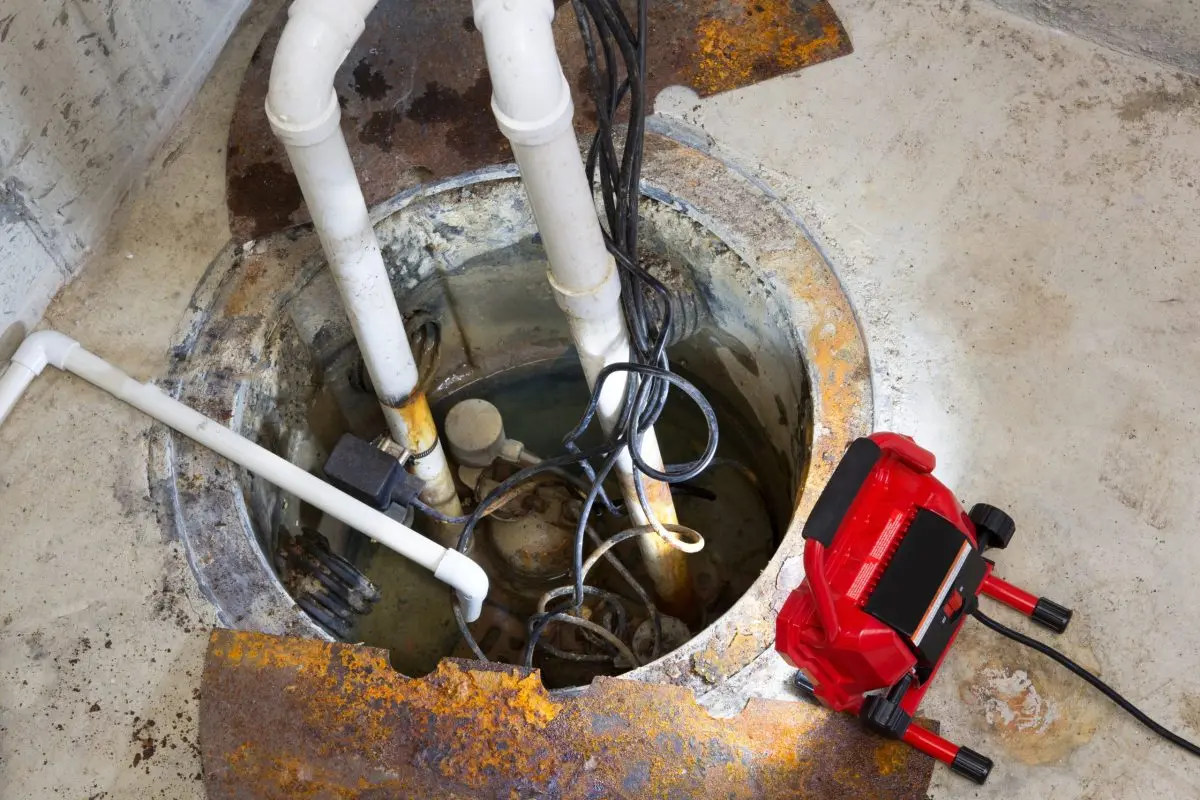
5. Sump Pump Installation
A sump pump that is incorrectly installed, undersized, or improperly positioned can fail to protect a basement during heavy rain, leaving homeowners with a flooded basement and damaged belongings.
Why pros are needed: Proper installation requires correctly sizing the pump for the pit and water table conditions, positioning the float switch correctly, and routing the discharge line to drain away from the foundation.
What can go wrong: An incorrectly routed discharge line can drain too close to the foundation, sending water back into the pit and causing the pump to run continuously until it burns out.
Code considerations: Sump pump installation connected to a drain system may require a permit, and discharge line routing must comply with local ordinances about where water can be directed.
6. Frozen Pipe Thawing and Repair
Connecticut winters frequently produce temperatures that can freeze pipes in uninsulated exterior walls, crawl spaces, and garages. Thawing a frozen pipe incorrectly is one of the more common causes of burst pipes.
Why pros are needed: Applying direct heat from a torch or heat gun to a pipe that has already developed a crack from freezing pressure can cause it to burst immediately. A plumber knows where to apply heat and how to assess whether the pipe is already compromised.
What can go wrong: A pipe that appears frozen but has already cracked can release a significant amount of water when thawed, flooding the area before the water can be shut off.
Code considerations: If the pipe bursts during thawing and a section needs to be replaced, the repair must meet Connecticut plumbing code standards for materials and connections.
7. Repiping or Pipe Rerouting
Replacing old galvanized steel or polybutylene pipes throughout a home, or rerouting supply lines for a renovation, requires a comprehensive understanding of water pressure, pipe sizing, and connection methods across different pipe materials.
Why pros are needed: Incorrect pipe sizing reduces water pressure throughout the home. Mixing incompatible pipe materials without the correct connectors causes corrosion and eventual failure at the joint.
What can go wrong: Homeowners who repipe sections of a home without accounting for the full system often create pressure imbalances, slow hot water delivery, or connections that fail within months.
Code considerations: Repiping projects in Connecticut require permits and inspection. Work done without permits can create issues with home insurance, home sales, and future renovations.
8. Shower and Tub Valve Replacement
Replacing a shower or tub valve is more complex than it appears because it involves cutting into the wall, working in a tight space, and ensuring the new valve is compatible with the existing plumbing configuration and water pressure.
Why pros are needed: Improper valve installation can result in leaks inside the wall that go undetected until water damage to studs and drywall is already significant.
What can go wrong: Using an incompatible valve cartridge or failing to properly seat the valve body can cause dripping, inconsistent water temperature, or a complete valve failure that requires reopening the wall.
Code considerations: Shower valve replacements that require cutting into a tiled or finished wall are often subject to building permit requirements depending on the scope of the work.
9. Toilet Relocation or New Toilet Rough-In
Moving a toilet to a different location in a bathroom, or adding a toilet in a new location, requires cutting into the subfloor, relocating the drain line, and connecting to the existing vent stack. This is structural and drainage work that has long-term consequences if done incorrectly.
Why pros are needed: Drain line slope is critical for toilet function. A line that doesn’t maintain the correct downward pitch will cause recurring clogs regardless of what is flushed.
What can go wrong: Incorrect connection to the vent stack causes siphoning of the trap, which allows sewer gases into the home, and creates slow drainage that worsens over time.
Code considerations: Toilet relocation always requires a permit in Connecticut and must be inspected before the floor and walls are closed up.
10. Water Pressure Problems Throughout the Home
Low water pressure across multiple fixtures simultaneously, or unusually high pressure that causes pipes to hammer and fixtures to drip, both indicate a systemic issue that requires diagnosis before any repair is attempted.
Why pros are needed: Low pressure can be caused by a failing pressure regulator, a partially closed main shutoff, mineral buildup in pipes, or a supply line leak, and each cause requires a different solution.
What can go wrong: Homeowners who attempt to adjust the pressure regulator without understanding the system can create pressure that is too high for older pipes and fixtures, increasing the risk of a burst pipe or fixture failure.
Code considerations: Pressure regulator replacement and supply line work typically require permits in Connecticut and must meet code standards for residential water pressure.
DIY vs. Professional Plumbing: A Quick Comparison
Not all plumbing work requires a licensed plumber. Here’s a practical breakdown of what’s generally safe to handle yourself and what should always go to a professional.
Plumbing Task
DIY Appropriate?
Notes
Replacing a faucet aerator
Yes
Simple, tool-free in most cases
Unclogging a single slow drain
Sometimes
Plunger or hand snake only; avoid chemicals
Replacing a toilet flapper
Yes
Low risk, no water line work involved
Replacing a showerhead
Yes
Straightforward with thread tape
Fixing a running toilet fill valve
Sometimes
Simple replacement with shutoff in place
Burst pipe repair
No
Requires permits and licensed work
Water heater replacement
No
Gas and electrical connections require licensing
Main sewer line clearing
No
Requires camera inspection and professional equipment
Sump pump installation
No
Improper install can cause pump failure or flooding
Any gas line work
No
Strictly licensed professionals only
Frequently Asked Questions About When to Call a Plumber
Homeowners across Watertown and Connecticut regularly ask similar questions when weighing DIY versus professional plumbing. The answers below address the most common decision points.
How do I know if a plumbing repair requires a permit in Connecticut?
In Connecticut, most plumbing work beyond simple fixture replacement requires a permit. This includes water heater replacement, pipe repair inside walls, toilet relocation, sump pump installation, and any work involving the main sewer line or supply line. Your licensed plumber will know which permits are required and can pull them as part of the job. Unpermitted work can create complications with home insurance claims and home sales.
What should I do first if a pipe bursts in my home?
Shut off the main water supply to the home immediately. The main shutoff is typically near the water meter, in the basement, or in a utility closet. Once the water is off, call a licensed plumber. While you wait, move valuables away from standing water and open faucets to relieve pressure remaining in the lines. Do not attempt to repair the pipe yourself before the plumber arrives.
Can I install my own toilet without a permit?
Replacing an existing toilet in the same location with a new toilet of the same type is generally a low-risk repair that does not require a permit in most Connecticut jurisdictions. However, any relocation of the toilet, change to the drain line, or addition of a new toilet in a previously unused location requires a permit and inspection. When in doubt, contact your local building department or ask your plumber.
Why does DIY plumbing sometimes make the problem worse?
Most DIY plumbing failures come down to three things: using the wrong materials, not understanding the full system, or not having the right tools. A homeowner who patches one section of a leaking pipe without understanding why it’s leaking may find another section fails shortly after. A plumber diagnoses the full system rather than treating the visible symptom, which produces a lasting repair rather than a temporary fix.
How do I find a licensed plumber in Connecticut?
Connecticut requires all plumbers to hold a valid state license issued by the Department of Consumer Protection. You can verify a plumber’s license on the state’s eLicense portal. Look for a licensed P1 or J1 plumber for residential work, and always ask for proof of liability insurance before work begins. Reading recent reviews and asking about the company’s process for permits and follow-up is also a reliable way to evaluate a contractor.
Trust the Right Jobs to Macary’s Plumbing
Some plumbing problems are satisfying to solve yourself. Most of the ones on this list are not, and the cost of getting them wrong consistently exceeds what a licensed plumber would have charged. Macary’s Plumbing serves homeowners across Connecticut with the full range of residential plumbing services, from sump pump installation and water heater replacement to main line clearing and pipe repair. Every job comes with upfront pricing, a dedicated account manager, and the confidence that comes from working with a licensed and insured team.Contact our team today to schedule service or get answers about what your home needs.