Slow drains and recurring clogs are among the most common plumbing complaints from homeowners in the area, and this drain cleaning FAQ Avon Farmington CT guide is built to give you clear answers before you pick up the phone. Understanding what causes drain problems, what professional service actually involves, and when to stop trying to fix things yourself can save you significant time and money. Our local team serves Hartford County homeowners with answers and advanced technology that gets to the root of the problem rather than just treating the symptom. You can also explore professional drain cleaning and repair services available throughout the area.
What’s Actually Causing Your Drain Problem
Drain issues in Avon and Farmington homes often come down to a handful of root causes, and knowing which one you’re dealing with changes how the problem gets fixed. According to Hartford Business Journal,most of Connecticut’s infrastructure is more than 50 years old and beyond its intended lifespan, which means many homes in these communities are working with drain lines that accumulate buildup faster and are more prone to root intrusion and structural issues than newer pipe systems.
Q: Why does my kitchen drain keep clogging even after I clear it?
A: Kitchen sink drains clog repeatedly when cooking grease coats the inside of the pipe and gradually narrows the diameter over time. Food particles from garbage disposals accelerate that buildup inside the plumbing system. Standard snaking punches through the clog but doesn’t remove the grease layer, so blockages return. Hydro-jetting clears the full pipe diameter and typically resolves the recurring cycle.
Q: What’s causing the slow drains in my bathroom?
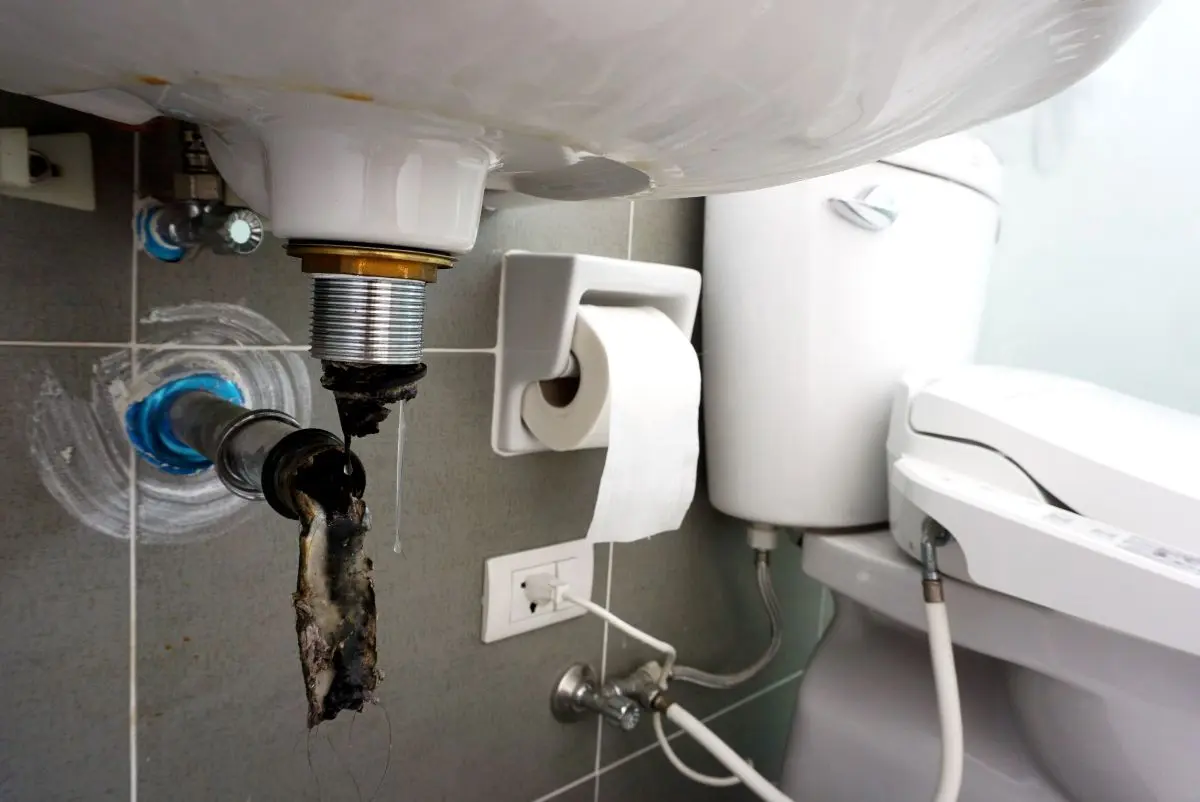
A: Bathroom drains slow down primarily because of hair and soap scum binding together inside the pipe over time. Shower drains and bathtub drains are most frequently affected. In older Avon and Farmington homes with cast iron or galvanized pipe, mineral deposits from hard water also contribute to reduced flow capacity alongside the hair and soap buildup.
Q: Can tree roots really get into residential drain lines?
A: Yes, and it’s more common in established neighborhoods than most homeowners expect. Tree roots are drawn to moisture inside older drain lines and enter through small cracks or joint gaps in clay and cast iron pipe. Once inside, they grow and expand until they cause recurring blockages or pipe damage. A camera inspection confirms whether root intrusion is the cause before any cleaning begins.
What Professional Drain Cleaning Actually Involves
Many homeowners assume a drain cleaning call means a technician shows up, snakes the drain, and leaves. Professional service done correctly is more thorough than that, and understanding the process helps you evaluate whether the company you’re calling is doing the job right. The right approach starts with diagnosis before anycleaning method is chosen.
Q: What is hydro-jetting and when is it used?
A: Hydro-jetting uses high-pressure water to clear the full diameter of a drain line rather than just punching through the blockage. It removes grease, scale, and root debris from the pipe walls and produces longer-lasting results than standard snaking. It’s most appropriate for kitchen drains with significant grease buildup and older lines with accumulated scale or root intrusion.
Q: What does a camera inspection add to a drain cleaning service call?
A: A camera inspection uses advanced technology to feed a waterproof camera through the drain line and identify the exact location and nature of the blockage before cleaning begins. It prevents guesswork, ensures the right cleaning method is chosen, and gives homeowners a documented picture of the results. A post-cleaning camera pass confirms the line is fully clear and the plumbing system is in good condition.
Q: Is it safe to use chemical drain cleaners in older pipes?
A: Chemical drain cleaners are generally not recommended for older clay, cast iron, or galvanized pipes common in many Avon and Farmington homes. The chemicals can accelerate corrosion in already-weakened pipe and rarely clear the full blockage, so the clog returns quickly. Professional cleaning is safer, more effective, and prevents the additional pipe damage that repeated chemical use can cause.
When to Stop DIYing and Call a Plumber
Some drain issues resolve with a plunger or a hand snake. Others require professional equipment and a trained eye. Knowing which situation you’re in before spending more time on a fix that won’t hold saves frustration and often prevents a manageable clog from becoming a more serious and expensive repair.
Q: How do I know if my drain problem is in the main line or just a single fixture?
A: If only one fixture is slow or backing up, the problem is likely localized to that drain. When multiple drains throughout the house slow down simultaneously, or when flushing a toilet causes another fixture to gurgle, the blockage is almost certainly in the main sewer line. Main line issues require professional equipment and cannot be resolved with a plunger.
Q: When does a slow drain become urgent enough to call right away?
A: A slow drain becomes urgent when water is backing up into other fixtures, when sewage odors are present inside the home, or when standing water won’t drain at all. These signs point to a main line blockage or sewer line issue that can escalate quickly into emergency repairs if left unaddressed. At that point a same-day call to a local team is the right move rather than waiting to see if it clears.
What to Know Before Booking Drain Cleaning in Avon or Farmington
Before scheduling service, a few simple questions help Avon and Farmington homeowners choose the right company and set accurate expectations. Pricing, methods, and follow-up policies vary between contractors, and understanding the basics upfront prevents surprises after the job is done.
Q: How much does drain cleaning typically cost in Avon and Farmington?
A: Standard residential drain cleaning in Connecticut typically ranges from $150 to $500 for snaking a single fixture or secondary line. Hydro-jetting and main line cleaning run higher, generally between $300 and $1,000 depending on line length and complexity. Camera inspection is often bundled with cleaning or billed separately. Always ask for a written estimate before work begins.
Q: How often should drains be professionally cleaned in an older Connecticut home?
A: Most plumbers recommend professional cleaning every one to two years as a preventative measure. Homes across Hartford County with older pipe infrastructure, large households, trees near the property, or a history of recurring clogs may benefit from annual service. Just as water heater repair and maintenance extend the life of that system, regular drain cleaning prevents gradual buildup from turning into a complete blockage requiring more extensive and costly work.
Drain Problems in Avon and Farmington Deserve a Real Fix
Slow drains and recurring backups in Connecticut homes often reflect the condition of aging pipe infrastructure beneath the surface, and a temporary fix rarely holds for long. Whether the problem is grease buildup in a kitchen line, root intrusion in an older sewer pipe, or a main line issue affecting the whole house, the right diagnosis and the right cleaning method make all the difference. Macary’s Plumbing serves Avon and Farmington homeowners with licensed, family-owned drain cleaning service, upfront pricing, camera inspection, and hydro-jetting on every job that needs it.Contact our team today to schedule your service.